
TRS–01before concept design / when a brief changes
Technical context review
For an early phase where available inputs, constraints and open questions need ordering before design progresses.
Project engineering / mobility / place
TRASA is a fictional specialist studio demonstrating a precise way to present transport infrastructure, external works and project coordination.
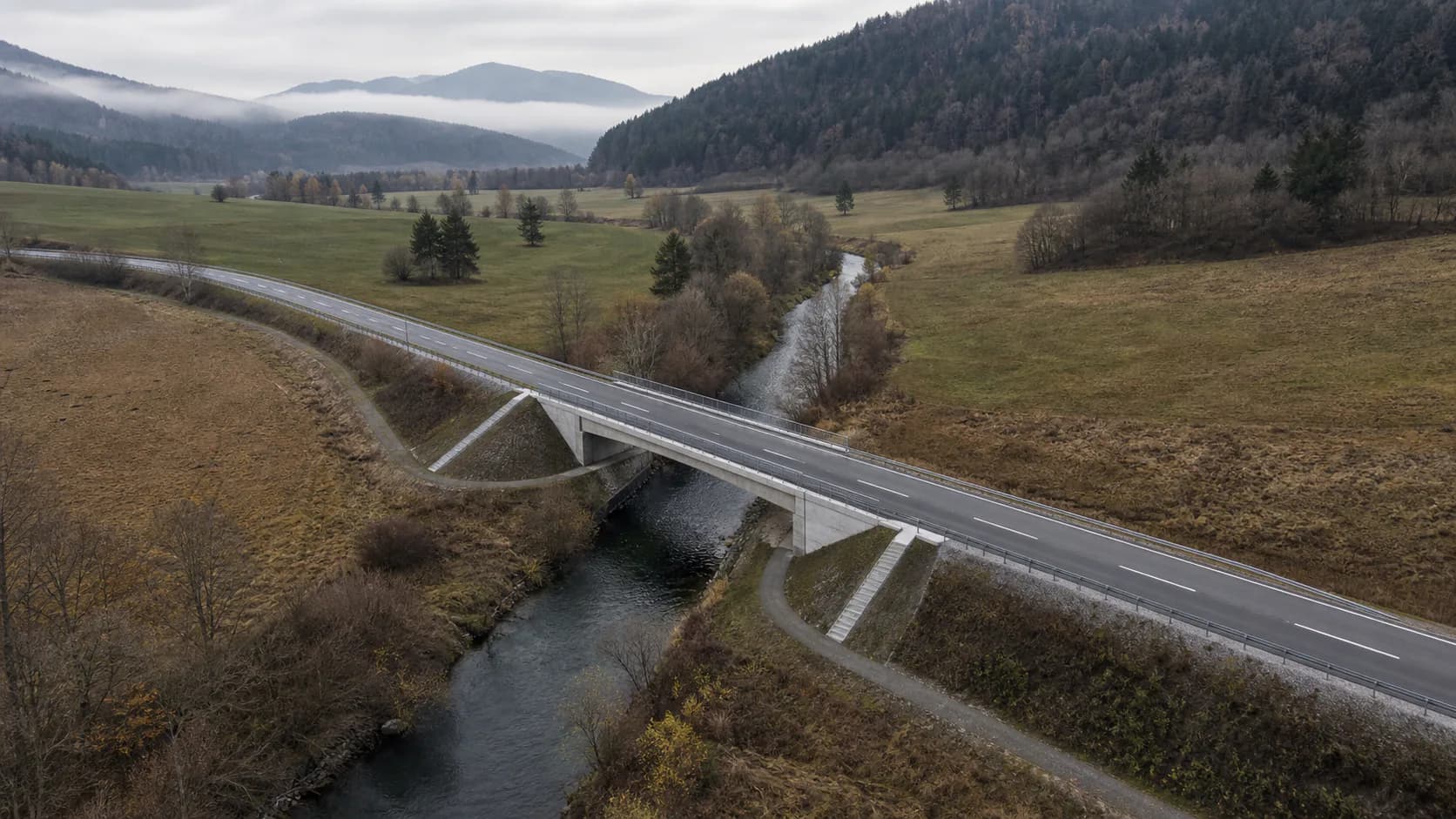 Illustrative study / not a completed project
This original concept image shows a task typology. It is not a real location, client or project reference.
Capability matrix
The scope is organised by technical packages and review gates. On a real commission it would follow an assessment of verified inputs.
For an early phase where available inputs, constraints and open questions need ordering before design progresses.
For testing alignments, sections and connections to the existing place without pre-empting unconfirmed decisions.
For tasks where spatial, transport, structural and utility inputs need to remain aligned through change.
For organising an agreed scope into clear, versioned material prepared for its confirmed next use.
 TRS / F–01 / CONCEPT
Field record / concept illustration
This photographic study shows how a technical site could connect field observations with open project questions.
Task typologies
The examples demonstrate how a studio could explain spatial logic, scope and project questions before publishing genuine project work.
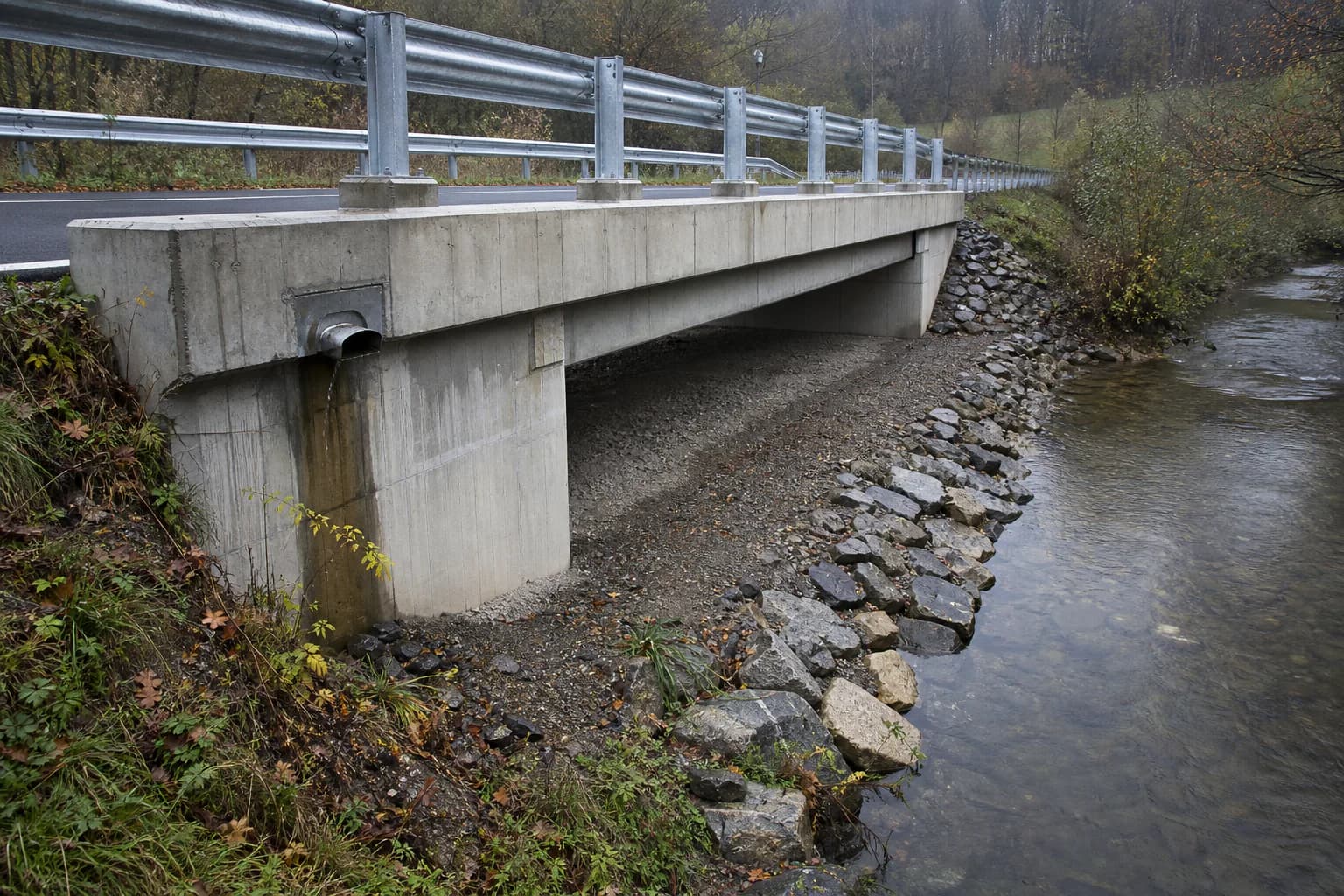
A coordinated view of road alignment, structural intervention, drainage and a safe pedestrian connection.
Coordinating carriageway, cycle axis, stop and a green attenuation strip within a constrained section.
Decision register
This process is demonstrative. Actual steps, responsibilities and timescales would be confirmed separately for each commission.
What is known?
ordered input registerWhat is spatially and technically reasonable?
comparison noteWhere do disciplines meet?
open issues and decisionsWhat does the next phase need?
structured handoverDescribe the phase, constraint and question. This form is part of the visual concept and sends no data.